ServiceM8 Certified Partner ServiceM8 setup & automation

Your jobs finish. Your invoicing doesn't.

We set up and automate ServiceM8 for trade and plant businesses that bill variable work — by the hour, the cube, the tonne or the load. The job finishes, the sheet gets filled in on a phone, and a priced draft invoice is waiting for you to approve.

Job completed Sheet filled on site Priced automatically You approve Invoice sent
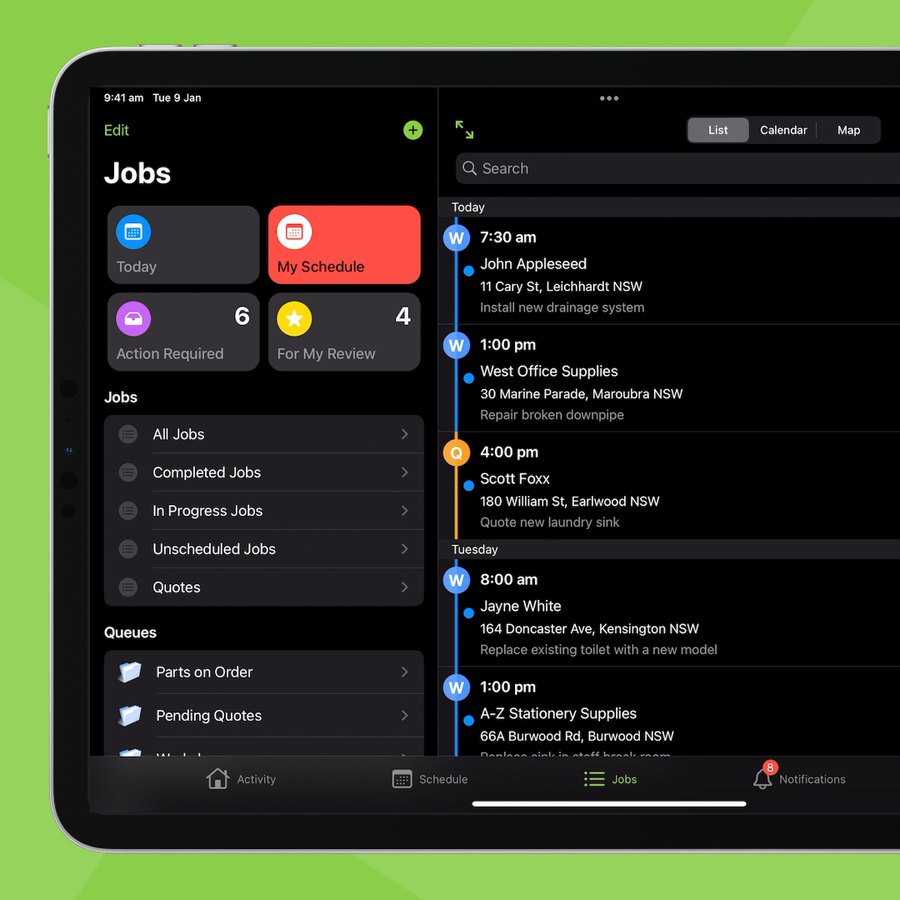
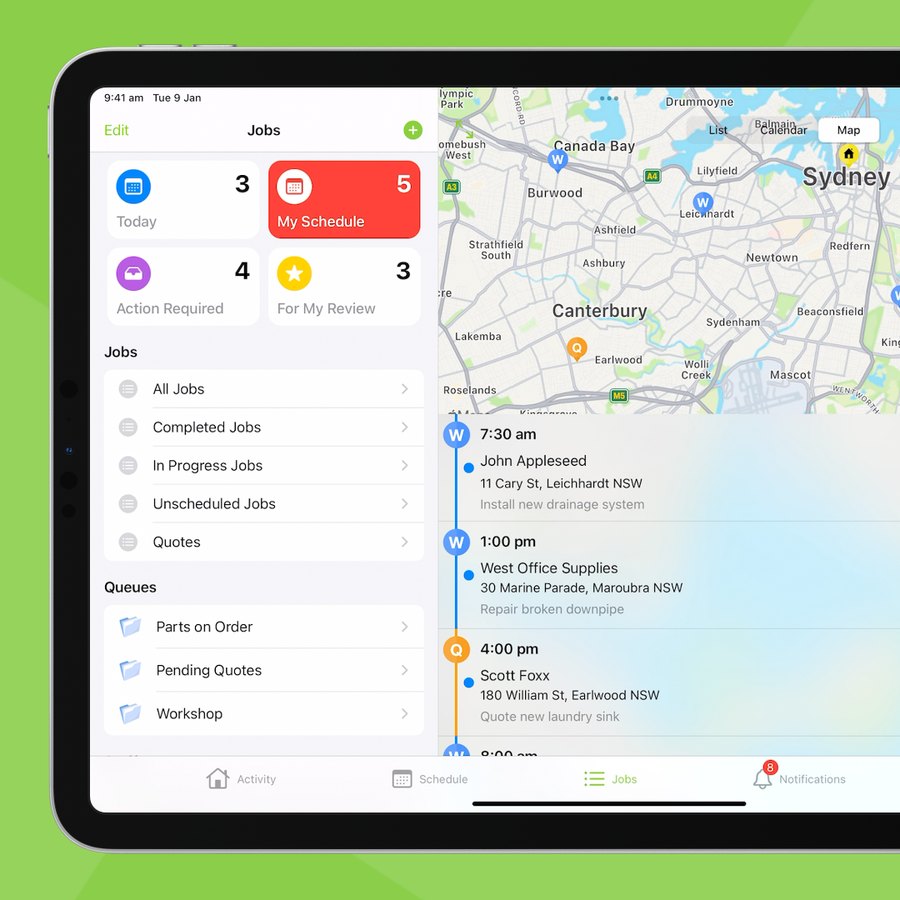
ServiceM8 showing the day's jobs and schedule on a tablet
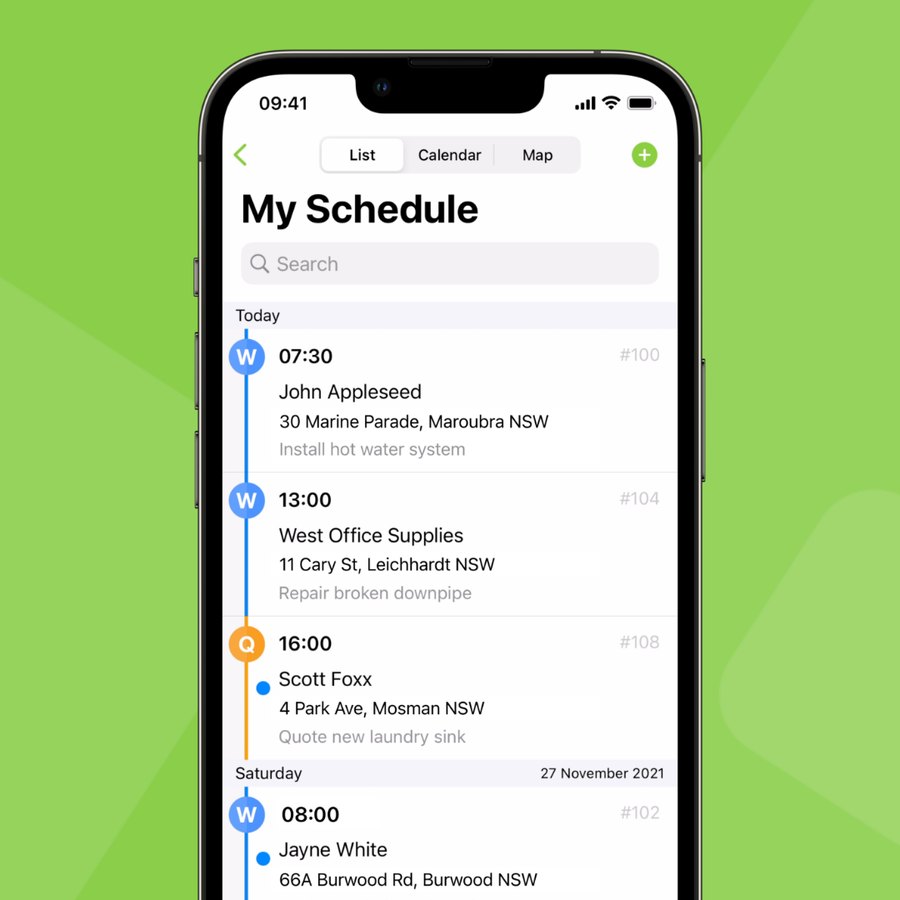
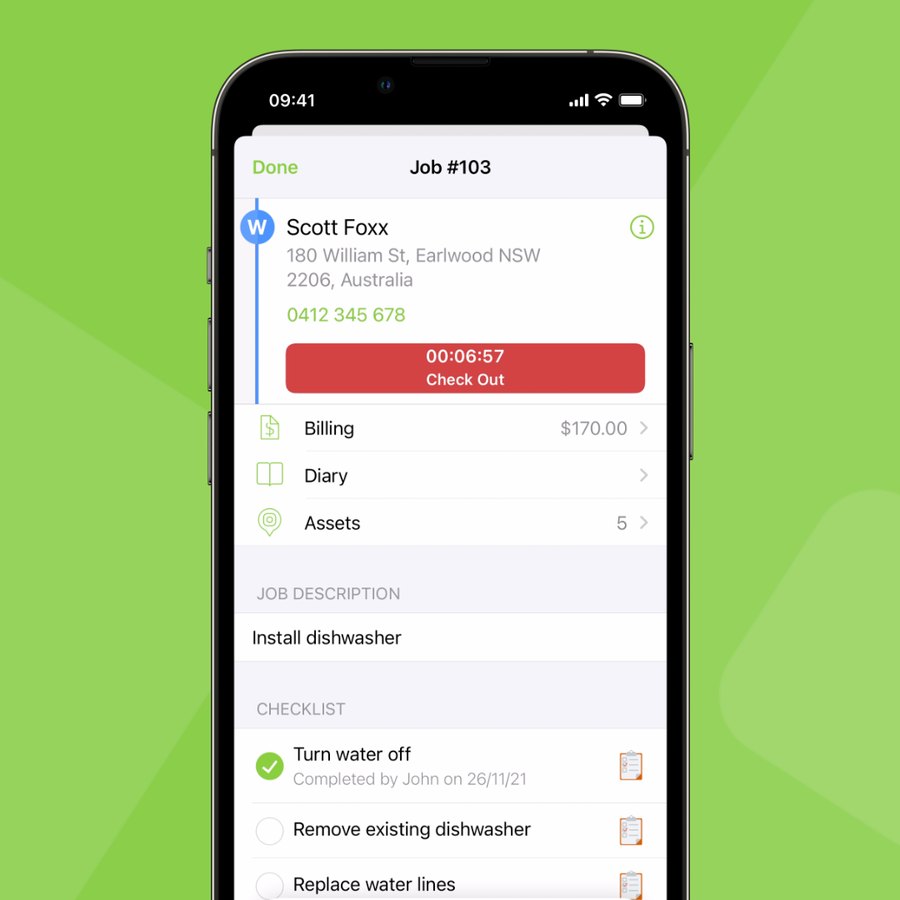
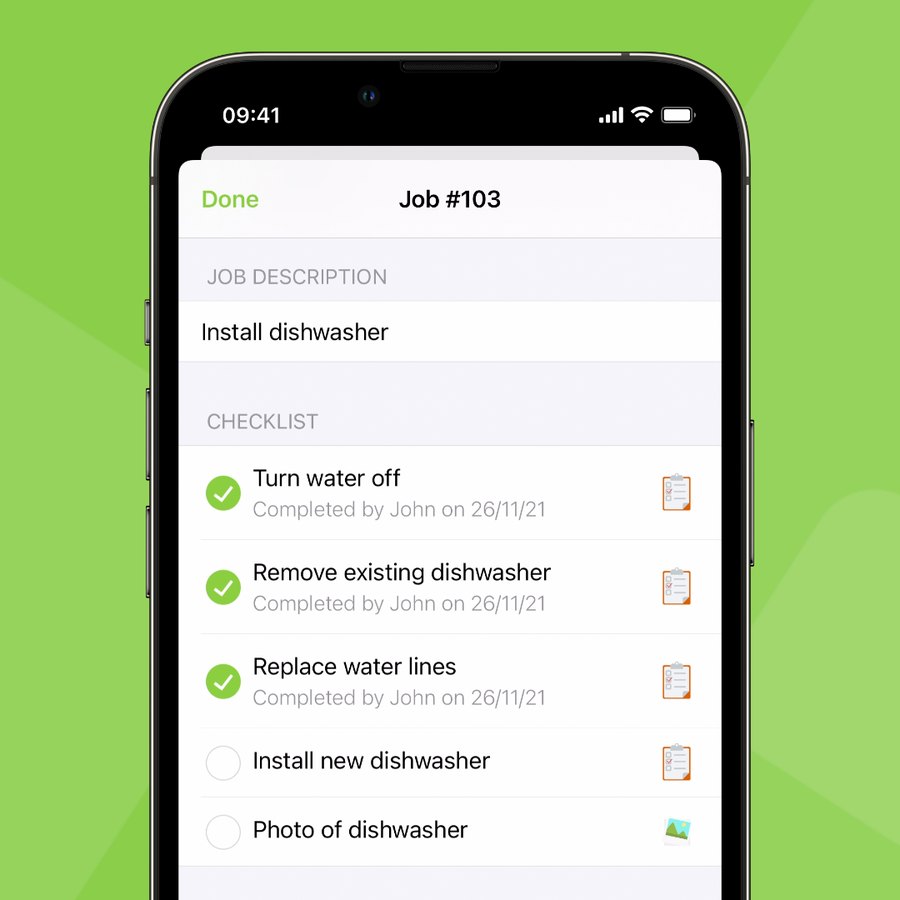
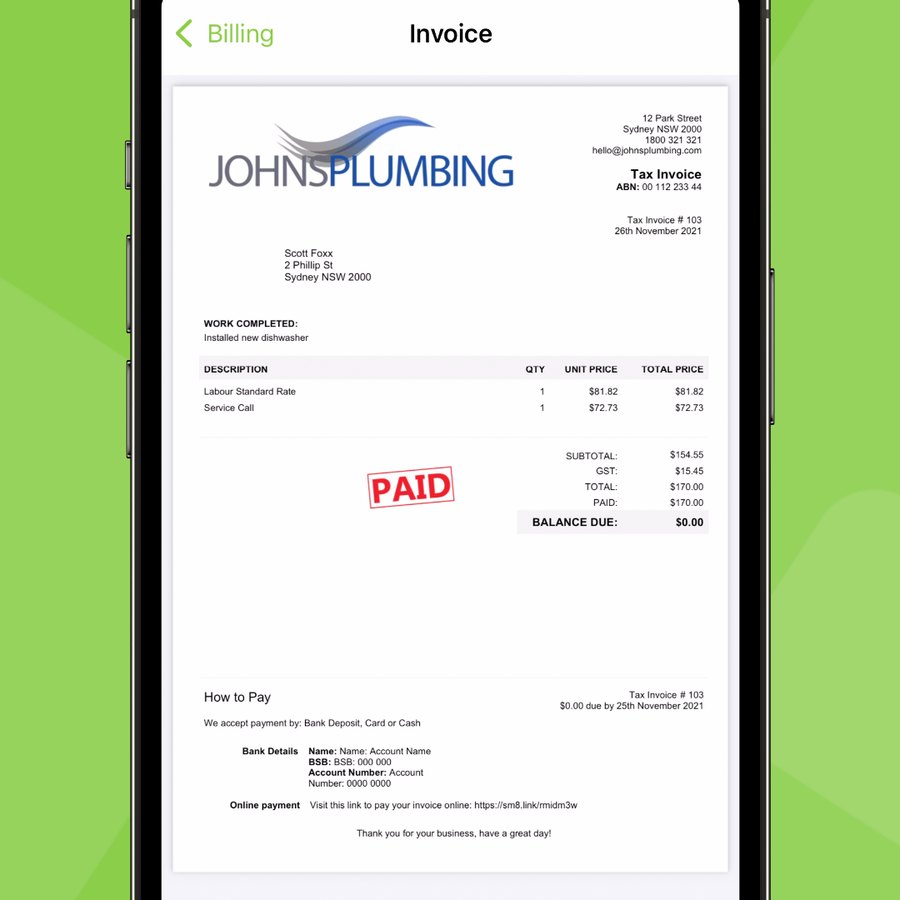
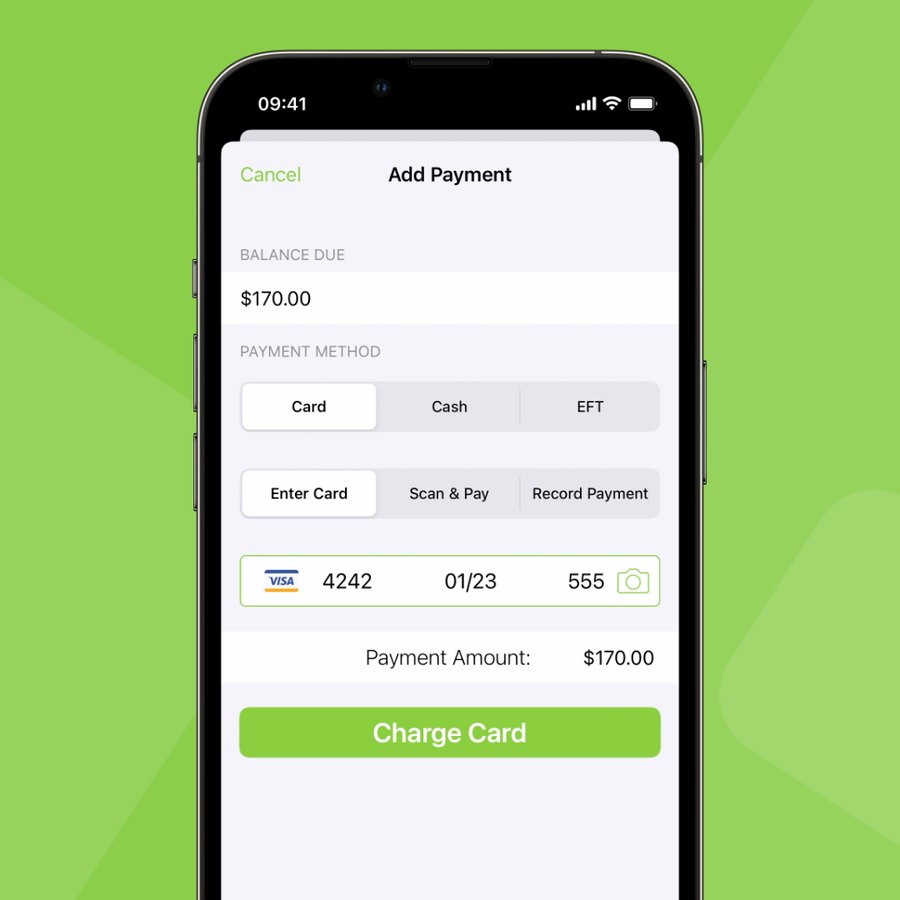
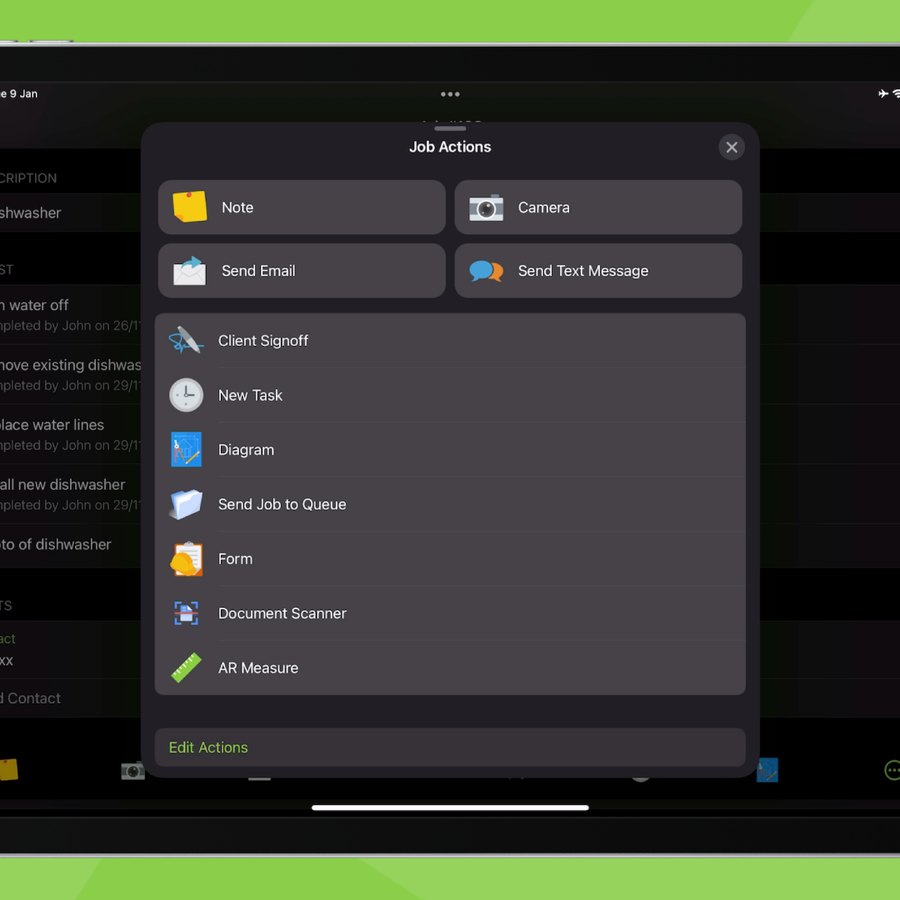
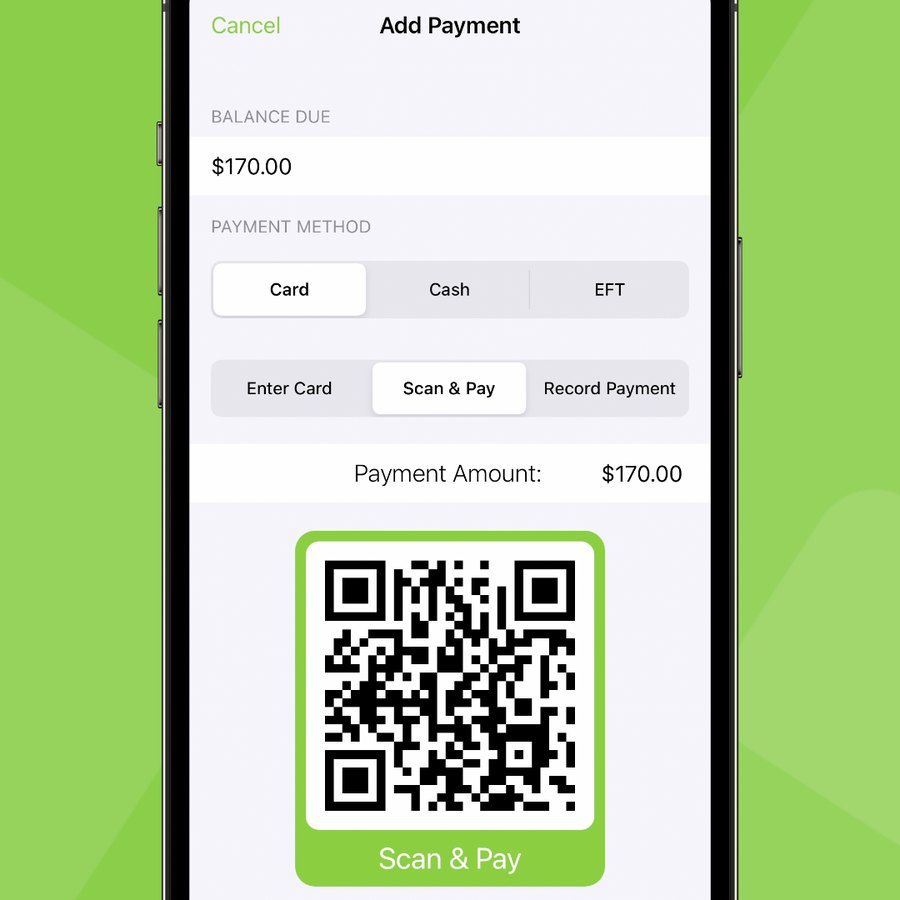
The day's schedule in ServiceM8 A ServiceM8 job card on a phone An on-site checklist in ServiceM8 An invoice generated by ServiceM8 Taking a card payment in ServiceM8 Jobs on the map view in ServiceM8 The job actions list in ServiceM8 Scan and pay in ServiceM8
01 — The problem

Templates can't price a job that changes every time.

If you charge a flat call-out fee, ServiceM8 already invoices it for you. But the moment the price depends on what actually happened on site — hours run, cubes placed, tonnes carted, which machine went out, what the mix was — no template can work it out.

So it gets rebuilt by hand, at night, from an SMS thread.

What you need to bill the job lives in three places: an operator's head, a photo of a crumpled sheet, and a text sent at 4pm. Someone has to reassemble it. So it happens late, or on a weekend, or not at all. The money sits in your filing cabinet instead of your account — and the hardest jobs to price are always the biggest ones.

02 — What gets installed

Six things, inside the ServiceM8 you already pay for.

No new app for your crew to learn. It all runs inside ServiceM8 and Xero — accounts stay in your name, and you can switch our access off whenever you like.

01

A job sheet built for your trade

A digital form in the ServiceM8 app, asking only the questions that actually change the price. Filled in on a phone at check-out, not on paper in the ute.

02

Automated pricing

The completed sheet is read against your rate card and priced automatically — hours, cubes, machine, minimum charges, levies. Your rules, not a generic template.

03

A draft, never an auto-send

It creates a draft invoice and stops. You approve it. Anything unusual is flagged rather than guessed at. Nothing reaches your customer unchecked.

04

Chasing, handled

Jobs finished without a sheet, and drafts sitting unsent, get chased automatically on a schedule — so nothing quietly falls off the end of the week.

05

A Friday money email

What was invoiced this week, what's still in draft, who owes you and for how long, and which quotes have gone cold. Reconciled against Xero, not guessed.

06

A tidy-up first

Duplicate clients merged, jobs categorised, rates written down properly. Reporting built on messy data just lies to you confidently, so this comes first.

A job checklist being completed on site in ServiceM8
On site

He fills in a form, not a sheet of paper.

The questions that decide the price, on the phone that's already in his pocket, at check-out. No paper to lose, no photo to squint at, no ringing him the next morning to ask what the mix was.

A finished invoice in ServiceM8
Minutes later

The invoice is already written.

Priced against your rate card — hours, cubes, machine, minimums, levies — and waiting as a draft. You read it and approve it. Anything unusual is flagged, never guessed.

A customer paying an invoice by card through ServiceM8
Then

They can pay it on the spot.

Sent the day the work finished instead of the weekend after, with a pay-now link on it. The single biggest thing that moves money out of your customers' accounts and into yours is simply invoicing sooner.

03 — What else goes

Most of what eats your week isn't invoicing.

When people picture automation they picture invoices, and stop there. In practice the hours disappear into a hundred small jobs nobody thinks of as work — the checking, the chasing, the remembering. Almost all of it can go.

Working out what hasn't been invoiced

Instead of scrolling the job list on a Sunday, the un-invoiced work finds you — with a dollar figure against it.

Chasing the sheet that never came back

The job knows it's missing paperwork and asks for it, on a schedule, without you having to remember which one it was.

The quote that went quiet

Follow-ups on quotes nobody's answered, sorted by age and value, so the big ones don't sit for four months.

Supplier dockets and materials

Costs read off the docket and landed on the right job, so job costing reflects reality instead of what someone remembered to type.

Website enquiries becoming job cards

An enquiry arrives as a job in the right queue, matched to the existing client if you've worked for them before — not as an email you'll action later.

Duplicate clients

One client, however many jobs. Matching that ignores capitals, spacing and punctuation, so a double-tapped space bar stops creating a second customer.

Debtors, without opening a spreadsheet

Who owes you, split by how old it is, checked against your accounting rather than what the job app thinks.

Knowing whether a job made money

Revenue and costs tagged by service, so you can finally answer which side of the business is actually carrying the other.

The rule: if a person is doing it because the software can't, that's the job. Reading, checking, remembering, chasing — all candidates. What stays with you is judgement: pricing the odd job, and deciding whether to push a good customer for money.

04 — Already running

This isn't a concept. It's in production.

This runs live in a concrete pumping business today. Operators fill in a 27-question sheet at check-out. An hourly cloud routine attaches sheets to new jobs, prices the finished ones into draft invoices, and emails the office. It runs whether or not anyone's laptop is open — a job created with no sheet had one attached by the next run, with nobody watching.

The pricing was back-tested against real historical invoices before it touched a live one, and anything it can't price confidently escalates to a human instead of guessing. A wrong invoice in front of your customer costs far more than a late one.

05 — Who it's for

Worth being honest about this up front.

A good fit

  • Concrete pumping and placement
  • Excavation, earthworks and civil
  • Tipper, haulage and cartage
  • Plant, equipment and machinery hire
  • Crane and scaffold hire
  • Drainage, jetting and pipe relining
  • Anything billed by the hour, the cube, the tonne or the load
  • Three or more staff, already running ServiceM8

Probably not worth it

  • You charge a flat call-out or fixed price — ServiceM8's own automation already covers you
  • You're a sole trader doing a handful of jobs a week. It won't pay for itself
  • You have no written rates at all. Worth a chat, but there's groundwork before automation
  • You want someone to take over your invoicing rather than automate it. That's a bookkeeper, and we'll happily point you at one
06 — What it costs

Published, so you can work out if it's worth a call.

Start with the audit. If you go ahead, it comes off the setup — so the diagnosis is effectively free if you hire us, and cheap if you don't.

Start here $450

Admin audit. We go through your ServiceM8 and Xero and show you where the hours and the money are actually going — including how many days it currently takes you to invoice a finished job. Credited in full against setup.

Setup, from $1,500

One week, fixed scope. Job sheet, pricing rules, drafts, chasing and reporting installed and tested on a real job before it touches a second one.

Then, monthly $350

Keeps it running — the cloud routines, the Friday email, rate-card changes when your prices move, and support. No lock-in contract.

07 — Why us

Most ServiceM8 help comes from outside the trade.

We do the admin for trade businesses — quoting, invoicing, chasing money, and the paperwork that still isn't done at 9pm. We're not automating a process we read about. We're automating the one we do.

What that changes

We know why the sheet comes back half-filled, why the mix strength is missing, why the operator wrote the deal in the email body instead of on the form, and why "just make it automatic" is the fastest way to send a customer a wrong invoice. Those details decide whether an automation survives contact with a real crew.

How we work

Fixed scope. Tested on one real job before it goes near the rest. And a human approval step that never gets removed to make a demo look better. We'd rather flag ten jobs for you to check than send one wrong invoice to a customer you've had for fifteen years.

08 — New to it?

New to ServiceM8? Start here.

ServiceM8 is job management software built for trade and service businesses — quoting, scheduling, dispatching the crew, job cards on the phone, and invoicing, all in one place. It's what we build on, and it talks to Xero, MYOB and QuickBooks.

What it gives you: every job in one place instead of a diary, a whiteboard and three text threads. Quotes out the same day, from the ute. The crew seeing their run without ringing the office. Photos, notes and signatures attached to the job rather than lost in someone's camera roll. Invoices raised the day work finishes, not the weekend after. And a live picture of what's been quoted, what's booked and what's owed.

If you're not on it yet, start a trial through the link below and we'll set it up properly the first time — considerably less painful than moving everything across again in six months.

09 — How to get started

Four steps, and only one of them is yours.

No proposal process, no discovery phase, no three-week onboarding. Here is the whole thing, start to finish.

Book a 15-minute call

Tell us how you bill and roughly how long invoicing takes you now. We'll say honestly whether automating it is worth the money, or whether you're fine as you are. No pitch, and no charge.

We run the audit — $450

We go through your ServiceM8 and Xero and show you where the hours and the money are actually going, including how many days it currently takes you to invoice a finished job. You get that in writing whether or not you go further, and it comes off the setup in full if you do.

We build it — one week

Job sheet, pricing rules, drafts, chasing and reporting. Tested on one real job before it goes near the rest. You approve everything before it touches a customer.

It runs — $350 a month

Cloud routines, the Friday money email, rate-card changes when your prices move, and support. No lock-in. Cancel whenever you like and the system stays in your account.

Not on ServiceM8 yet?

Start your free trial through the link below and we'll set it up properly the first time. Signing up through this link tells ServiceM8 we referred you, which costs you nothing and means they send any follow-up to us rather than a stranger.

10 — Questions

The things everyone asks.

Will it send invoices without me seeing them?

No, and we won't build it that way. It creates a draft and stops. You approve it. An invoice sent automatically with the wrong number on it does more damage than a late one ever will.

Does my crew have to learn something new?

They fill in a form in the ServiceM8 app they already have, when they check out of a job. If it takes them longer than the paper sheet did, we've built it wrong. Everything else happens where they never see it.

How much of my admin can actually be automated?

More than most people expect. Reading, checking, chasing and remembering are all candidates. The audit exists to sort what can go from what can't, before you spend anything.

What if a job doesn't price cleanly?

It gets flagged instead of guessed at. The aim is to automate the standard job and hand you the exceptions — not to pretend exceptions don't exist.

Who owns the accounts and the data?

You do. ServiceM8 and Xero stay in your name and on your card — we never resell you your own software. We connect to them, and you can disconnect us at any time from inside your own account.

Do I have to be in Adelaide?

No. This work is entirely remote. We're Adelaide based and work with trade businesses anywhere in Australia.

11 — Let's work

Find out what it's costing you.

Fifteen minutes, no pitch. Tell us how you bill and how long invoicing takes you now, and we'll tell you honestly whether automating it is worth the money — or whether you're fine as you are.

0413 753 837

Call us